
Search Alaska Traffic Court Records
Alaska Traffic Court Records are handled through the Alaska Court System rather than a county courthouse network, so the best starting point is usually the statewide court search and the trial court that filed the case. A search can begin with a case number, party name, or citation number in CourtView, then move to the clerk's office if you need copies, certifications, or older paper files. Alaska also uses local trial courts, municipal ticket systems, and court request forms that vary by courthouse, which makes location-specific guidance useful even when the records sit inside one unified state judiciary.
Alaska Traffic Court Records Overview
Alaska Traffic Court Records Search Options
Most Alaska Traffic Court Records searches start with CourtView, the public portal used by the Alaska Court System. CourtView lets you search by case number, party name, or ticket and citation number. It shows limited public case details, financial tabs for eligible cases, and docket activity for non-confidential minor offense matters. Searchers should still read the cautions on the CourtView information page because the database is not a full court file, not every ticket reaches the court, and old cases before 1990 may not appear online at all.
That statewide system matters because Alaska does not run its trial courts through county clerks. The court structure is unified. Anchorage, Fairbanks, Juneau, Kenai, Palmer, Kodiak, Bethel, and other communities each have trial courts inside one state judiciary. The court directory helps users connect the location code on a case number to the right clerk's office. A code like 3AN points to Anchorage, 4FA points to Fairbanks, and 1JU points to Juneau. Once you know the filing court, you can move from a broad Alaska Traffic Court Records search to the exact office that can provide copies and payment details.
Alaska Traffic Court Records also split between court-filed traffic cases and some city-managed citations. The state payment page explains that certain city tickets are payable directly to the city rather than through the court. That distinction matters. A case may be visible in CourtView only after it is filed with the court. Before that step, a city or police agency may still control the payment or administrative process.
Note: Alaska Traffic Court Records searches work best when you have the full case number with leading zeroes.
What Alaska Traffic Court Records Show
Alaska Traffic Court Records usually include the citation or charging document, docket events, charge dispositions, hearing settings, financial entries, and any judgment tied to the traffic matter. If the case moved beyond a simple payable citation, the file can also include motions, requests to appear by telephone, continuance filings, and minute entries from court appearances. The public portal displays only limited information, so a person who needs the full record often has to request copies from the clerk of court where the case was filed.
The Alaska Court System describes minor offenses as traffic and similar lower-level cases governed by the Minor Offense Rules. That means the records often track response deadlines, pleas, hearing dates, and payment status rather than the broader document set seen in larger civil or felony cases. Even so, Alaska Traffic Court Records can still carry real consequences. The court self-help materials explain that default judgments may lead to fines, court and collection costs, points on a driver's license, and in some cases attachment of a Permanent Fund Dividend. Those outcomes are why many users search the file both for proof of disposition and to confirm whether a ticket has become a court case.
Alaska Traffic Court Records are also different from driving history files. Court records show the case activity. DMV records show license history, convictions, points, and actions on the driver's record. Someone researching an old citation may need both. The court file can show how the charge was handled. The Alaska DMV driving record page explains what appears on a driving record and who may request it.
Alaska Traffic Court Records Response Rules
The statewide traffic and minor offense self-help center is one of the most important Alaska Traffic Court Records resources because it explains what creates the record in the first place. Alaska gives defendants 30 days to respond to many traffic and minor offense citations. If there is no response, the court sends a warning notice and allows 15 more days. If that second deadline passes, the court may enter a default judgment. That deadline structure shows up throughout Alaska traffic practice and directly shapes what later appears in the court file.
The same self-help resource explains three common citation tracks. Optional court appearance tickets can often be paid without a hearing. Correctable tickets may be resolved by showing proof of compliance for limited issues like proof of insurance or license possession. Mandatory appearance citations require a court appearance or formal plea step before payment becomes possible. Those differences matter when reading Alaska Traffic Court Records because a user looking at a docket needs to understand why one case has only payment entries while another has hearings, pleas, and continuances.
Alaska statutes and court rules also matter, but they fit best inside the search process rather than as a stand-alone law dump. Title 28 on the Alaska Legislature statutes site contains the traffic laws that generate many of these cases, including DUI, reckless driving, negligent driving, and test refusal provisions under AS 28.35. The court rules index and Administrative Rule 37 framework matter because they govern when records remain public and when access is restricted. Those legal sources help explain the file, but the practical first step remains locating the right case and the right clerk.
Requesting Alaska Traffic Court Records Copies
Once you find the case, the next step is choosing the right request method. The Alaska Court System's records request information and trial courts page explain that copy requests can be made in person, by mail, by fax, or by email to the clerk where the case was filed. Alaska uses variations of the TF-311 records request form. Anchorage uses TF-311 ANCH. Fairbanks uses TF-311 FBKS. Palmer uses TF-311 PA. Many other courts use the standard TF-311 form. Audio requests use TF-304 series forms.
Providing the case number saves time and money. Alaska warns that research charges apply when staff must locate a case without a number. For many locations, in-person requests with a complete case number can be handled immediately or much faster than remote requests. Online and email copy requests may take weeks, especially at busier sites or when staffing is limited. Older files can take longer still because Alaska Traffic Court Records before 1990 may require paper index searches and off-system review.
Copies also come in different forms. A plain copy works for general review. A certified copy is needed when an agency or court requires official certification. An exemplified or authenticated copy is more formal. The statewide fee schedule in Alaska currently lists $5 for the first plain copy, $3 for each additional copy of the same record, $10 for the first certified copy, $3 for each additional certified copy, and $15 for exemplified copies. The same statewide materials note a $30 per hour research fee when no case number is provided. Those amounts can guide planning, but the filing court should always confirm what applies to the exact request.
Note: Simple in-person Alaska Traffic Court Records requests are usually the fastest when you already know the case number.
Alaska Traffic Court Records Forms And Tools
The Alaska court forms repository is more than a download page. It functions as a roadmap for how Alaska Traffic Court Records move through the system. TR-200 covers guilty or no contest pleas and waiver language. TR-225 is used for a not guilty plea and request for hearing. TR-250 addresses requests to set aside default judgment. TR-405 covers requests for credit to reduce fine payment amounts. TR-525 lets a party ask to participate by telephone. Those forms show the practical paths people take once a traffic case is filed.
The forms page also helps searchers separate routine copy requests from live case action. A person who wants a copy of a completed case usually needs TF-311. A person who still has an open citation may need the traffic forms instead. In Alaska Traffic Court Records work, that distinction prevents bad assumptions. Searching is not the same thing as responding to a ticket. Requesting a file is not the same thing as asking the court for relief, extra time, or a hearing.
Electronic tools also matter. TrueFiling is available for many filings, including some minor offense documents. CourtView handles public searching and some payments. The court livestream system is also used in some locations for public access to proceedings. Together, those tools mean Alaska Traffic Court Records are often part online search, part clerk request, and part courtroom procedure depending on the stage of the case.
Users who need historical context should keep one more resource in mind. The Alaska State Archives in Juneau may help with older state records that predate modern online access. That will not replace the filing court for every request, but it can be useful when someone is tracing an older Alaska traffic case that no longer appears in CourtView.
Alaska Traffic Court Records Resources In Practice
The Alaska Court System homepage is the best statewide launch point when you need Alaska Traffic Court Records, forms, court locations, and self-help guidance in one place.
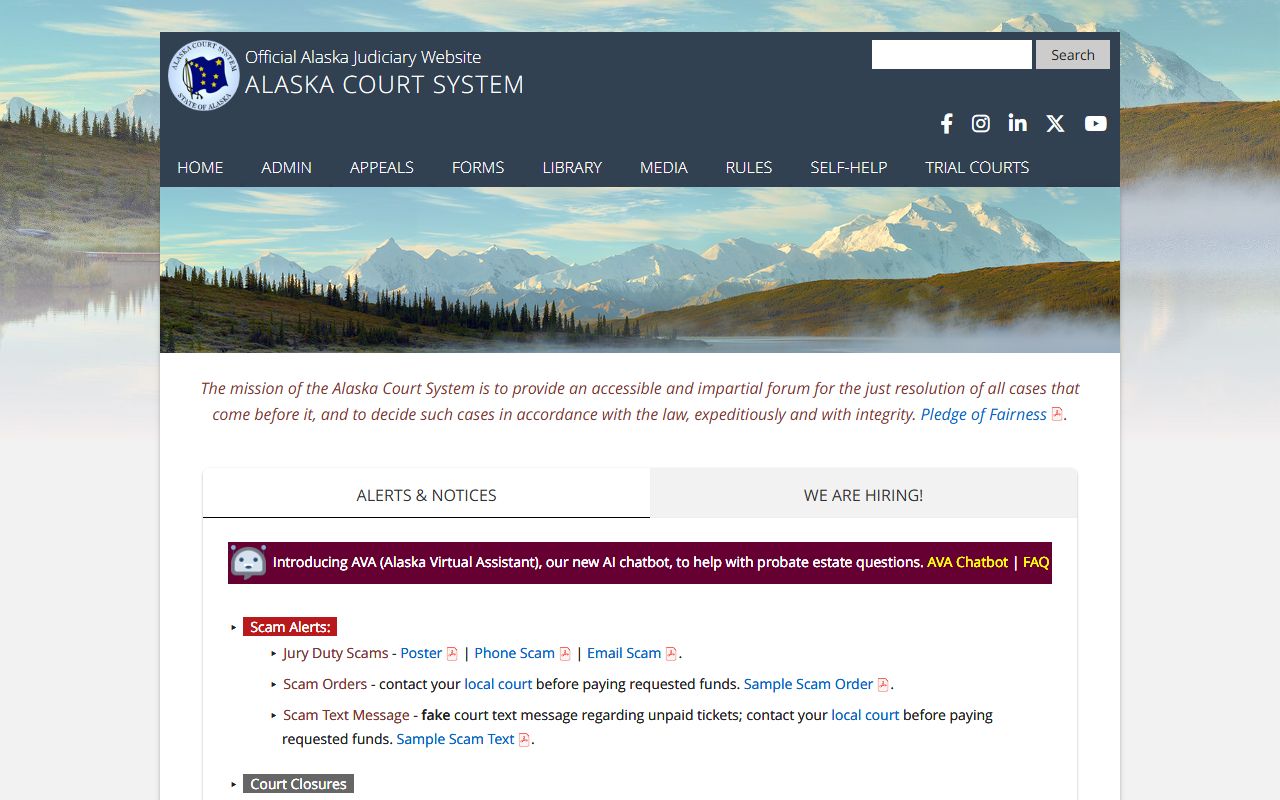
That statewide page ties together CourtView, payment links, forms, and records request instructions so you can move from a broad search to a courthouse-specific step.
CourtView public access is the main Alaska Traffic Court Records search tool for current public trial court case data.
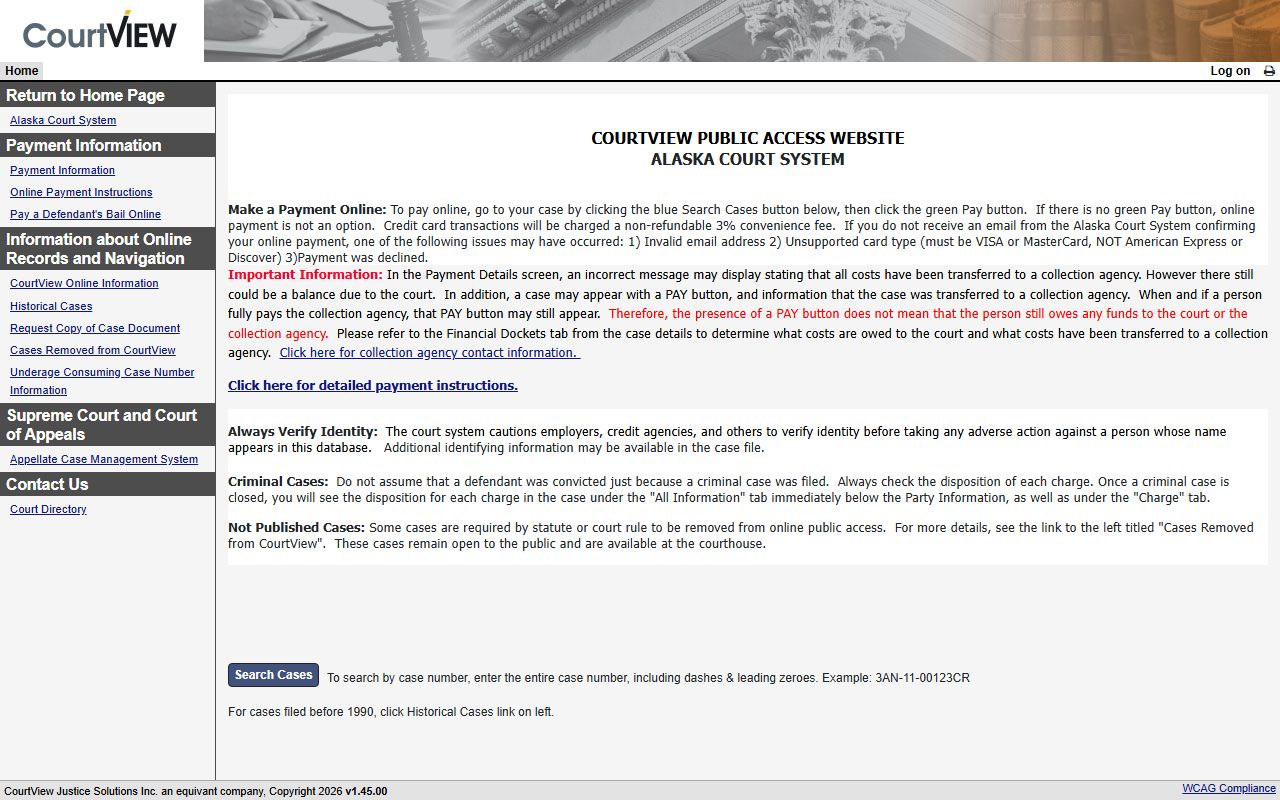
It is free to use, but it displays limited case information and has a 500-result cap for broad searches.
The CourtView information page explains what appears online, what does not, and why older Alaska Traffic Court Records may require more direct clerk help.
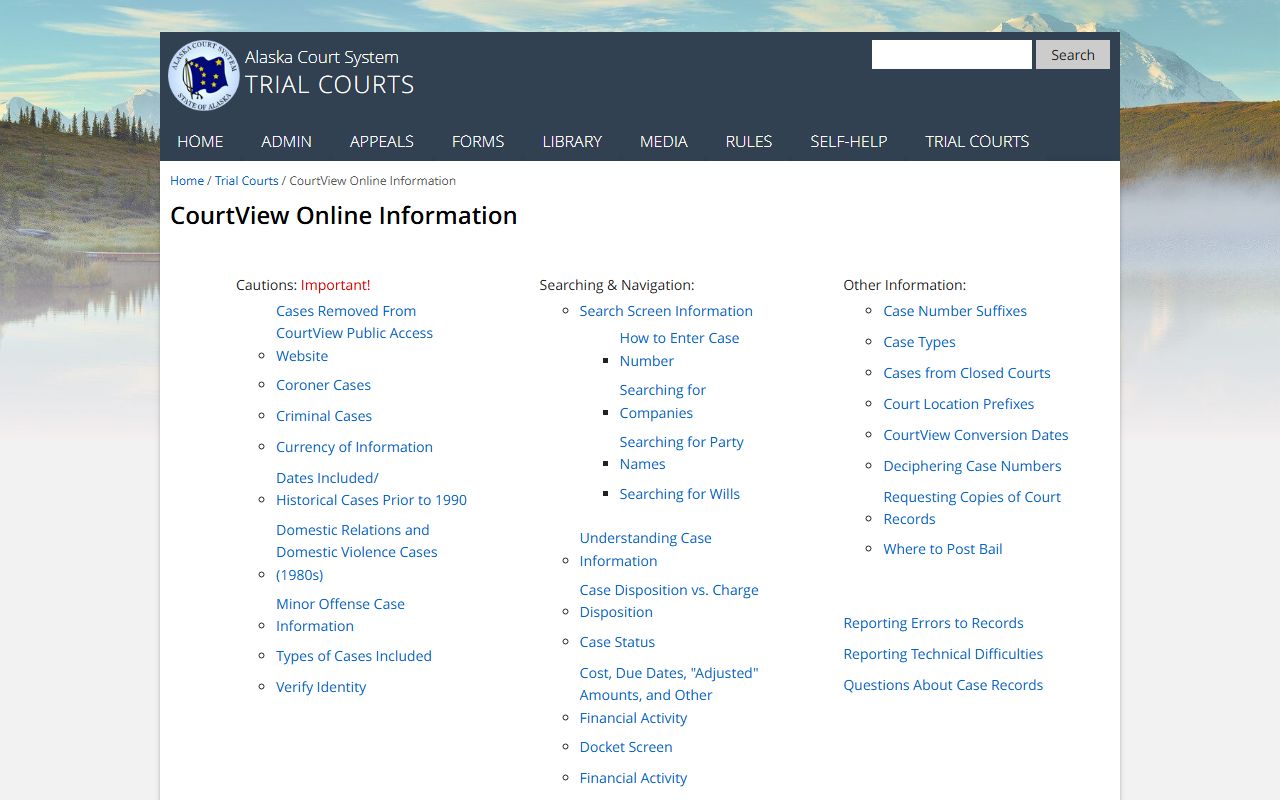
This page is especially useful when a search returns no result and you need to understand whether the case is too old, too broad, or not public.
The traffic self-help center explains deadlines, citation types, trials, and default judgments that shape Alaska Traffic Court Records from the first response forward.
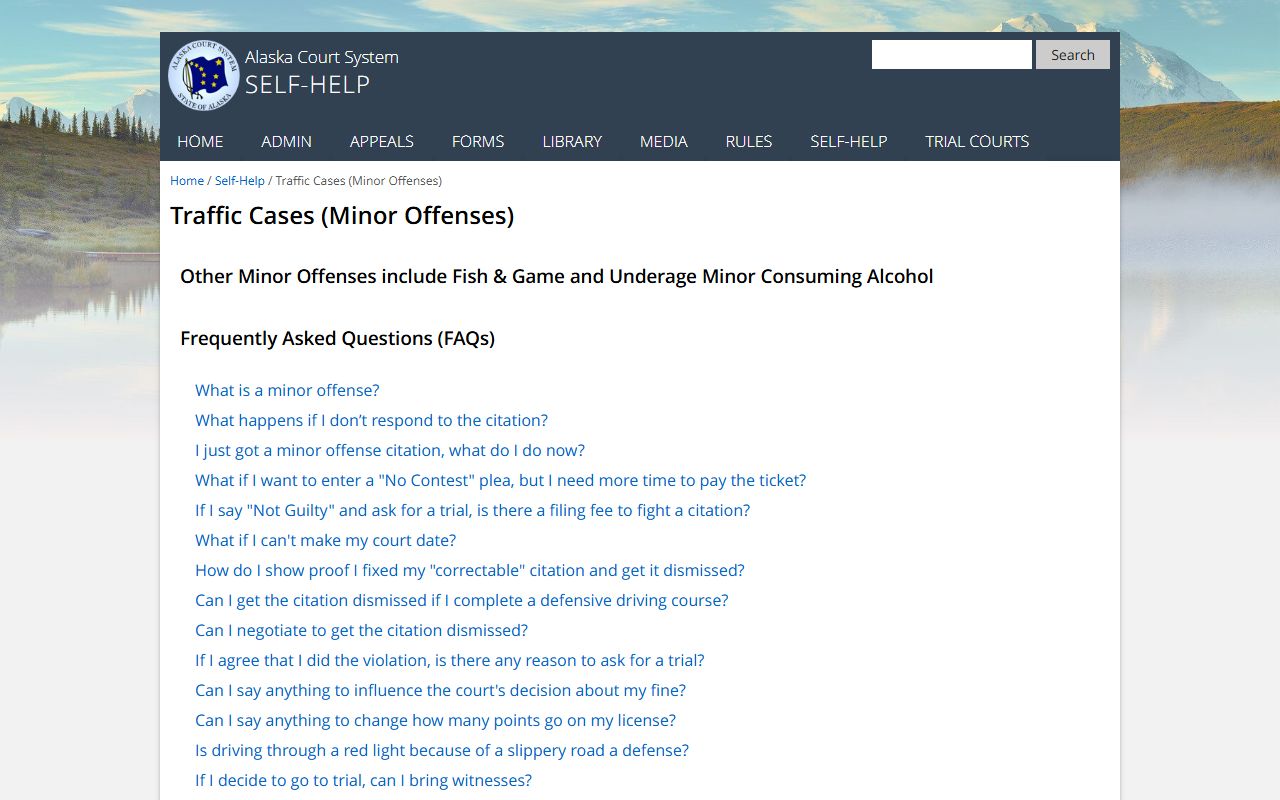
It is one of the clearest statewide explanations of what happens after a ticket is issued.
The payment information page helps users separate court-payable citations from city tickets and shows where Alaska Traffic Court Records may connect to fine payment status.
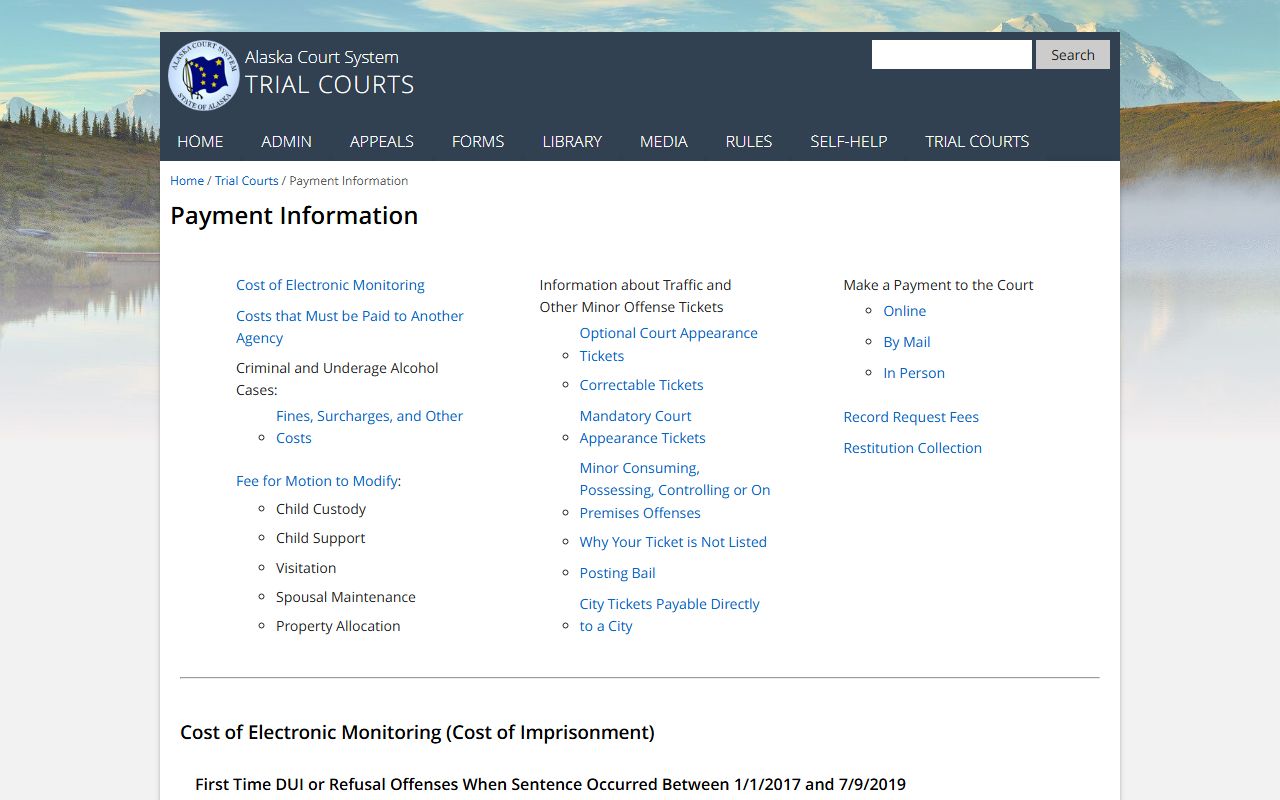
That distinction is important because some city-issued tickets are handled outside the court payment path at first.
The trial courts records request page outlines how to order Alaska Traffic Court Records and when a clerk may need more time to process them.
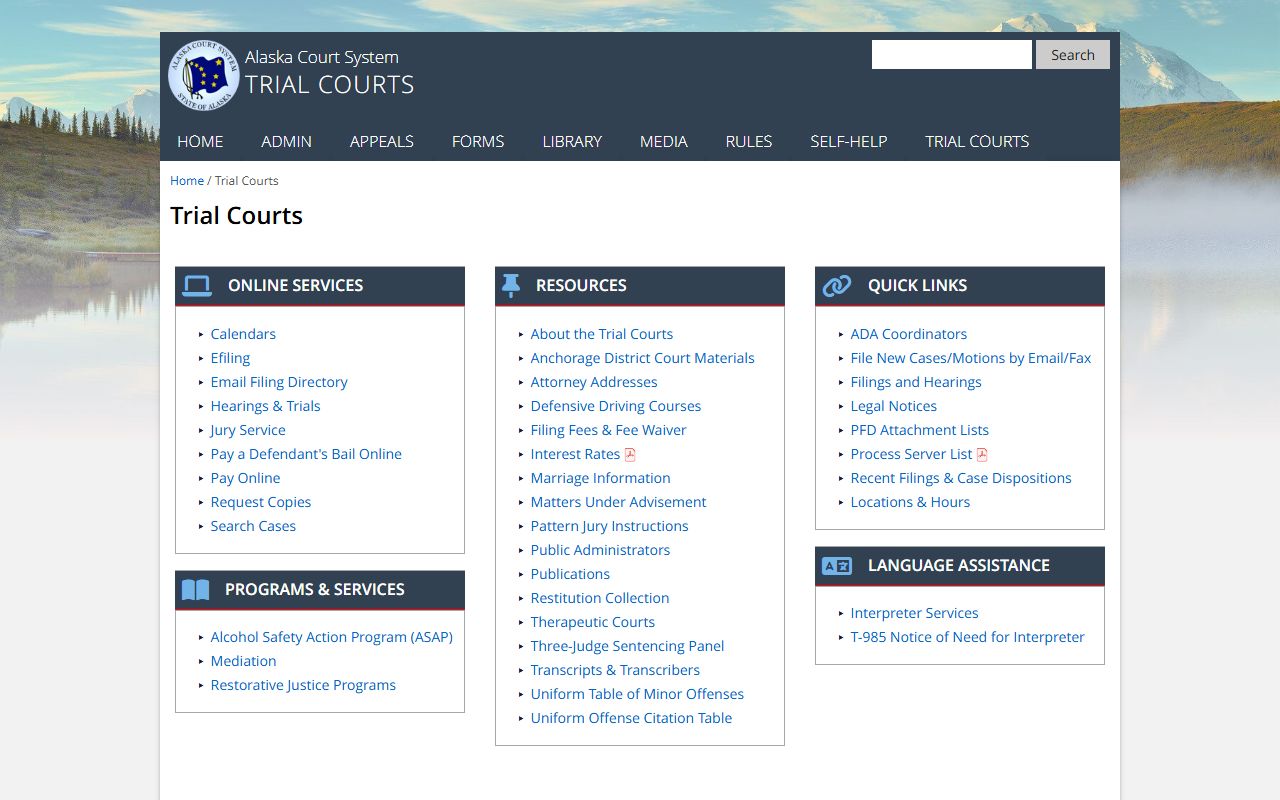
It is the practical page to review before you send a TF-311 form or request certified copies.
The court forms repository collects the forms that people use to request files, respond to tickets, and manage Alaska Traffic Court Records.
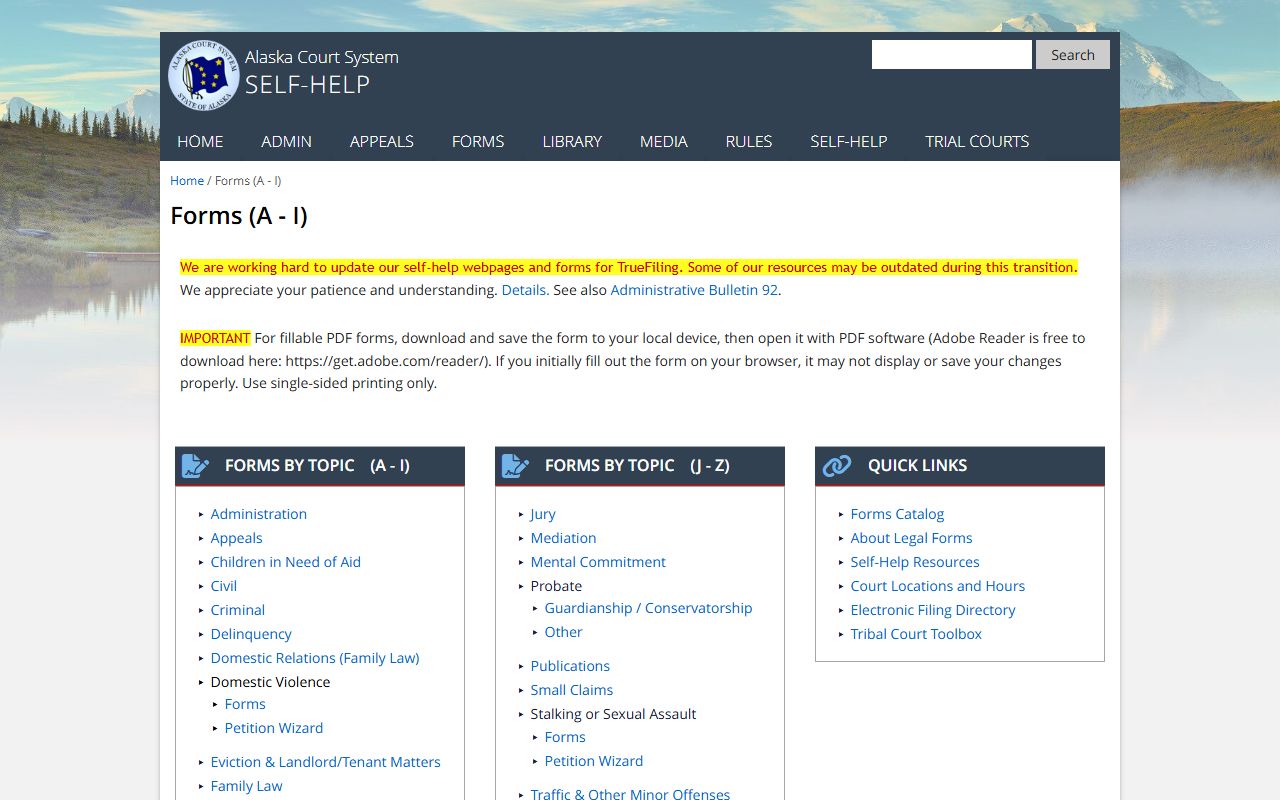
Reviewing the right form first can save a return trip or a rejected request.
The court directory helps match Alaska Traffic Court Records to the correct clerk, courthouse, and judicial district.
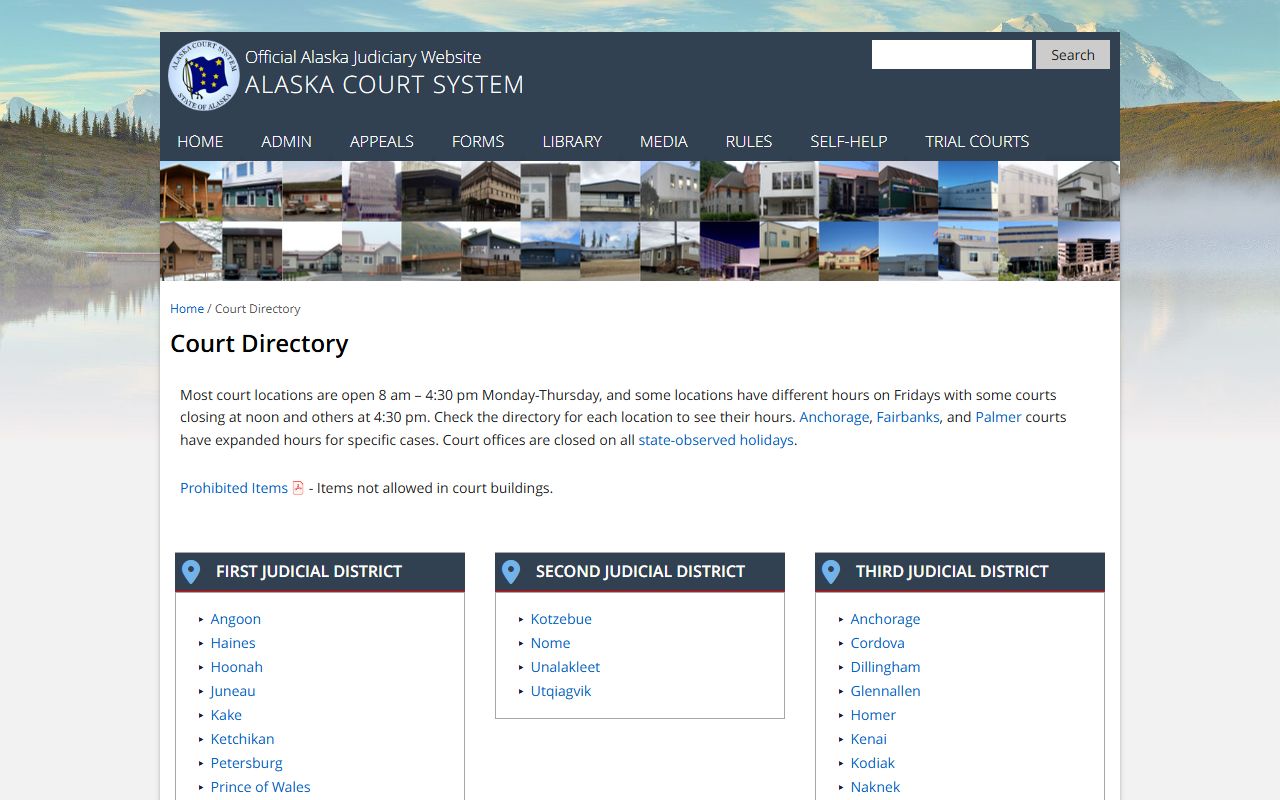
It becomes especially helpful when the case number location code is unclear or the person only knows the community involved.
The DMV driving record page shows the separate process for driving history, which often complements Alaska Traffic Court Records but does not replace them.
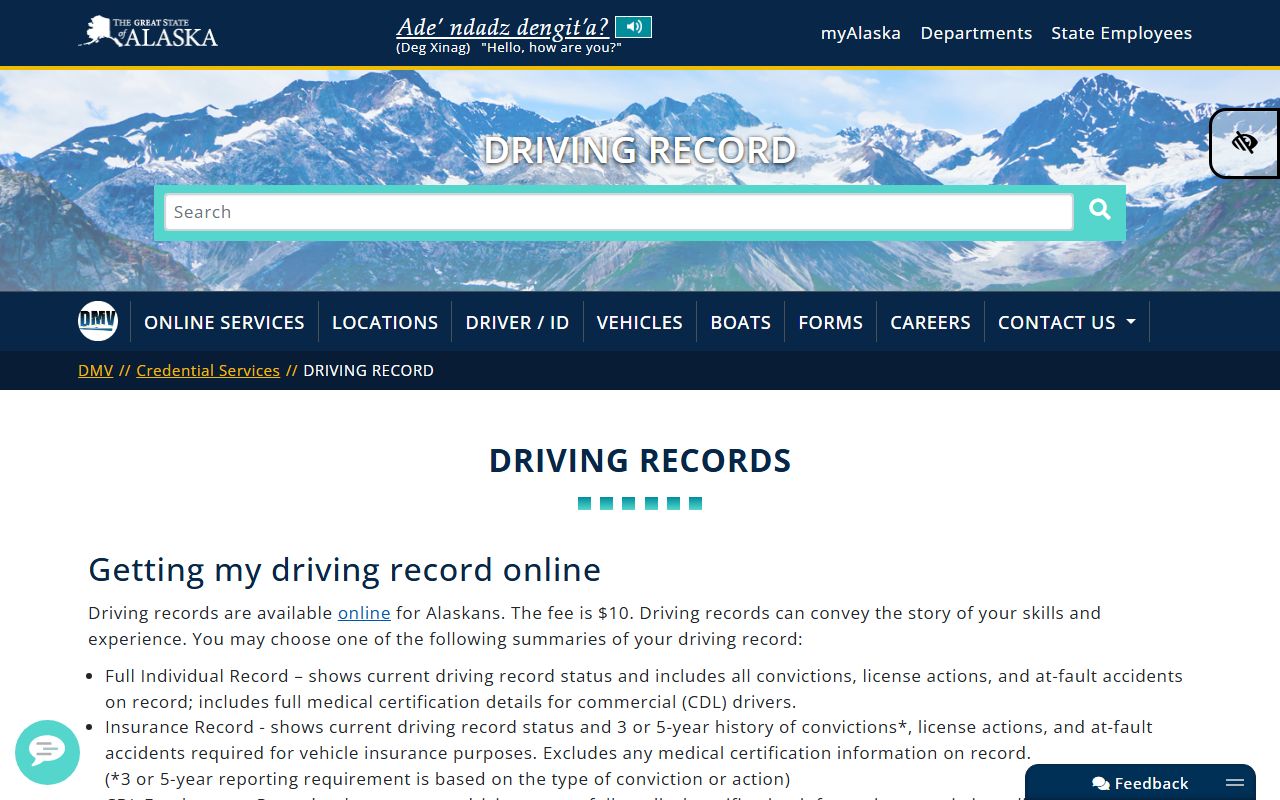
Use this when you need points or license history, not just the court case file.
The Alaska statutes database is the official place to read the traffic laws that underlie many Alaska Traffic Court Records.
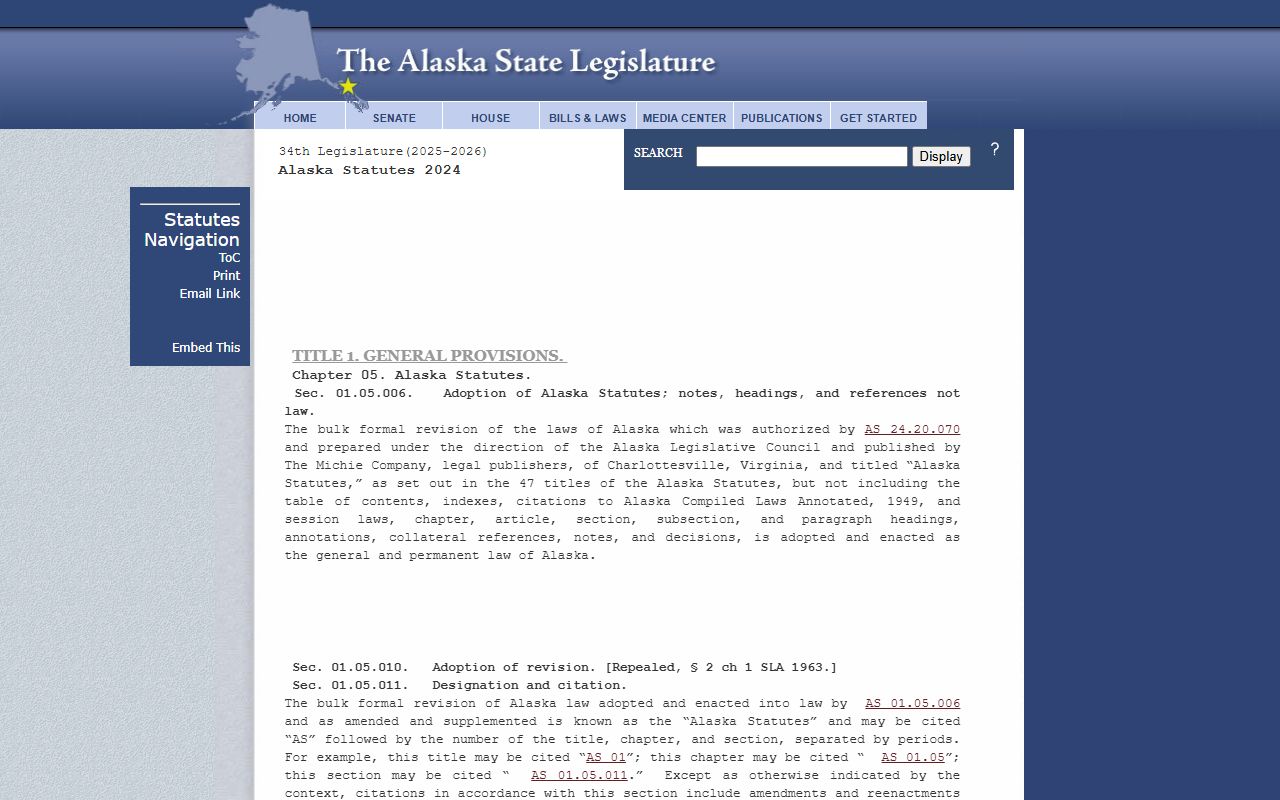
It is useful for understanding the offense language in a docket or citation, especially under Title 28.
The Alaska State Archives can help when historical Alaska Traffic Court Records do not appear in the modern online tools.
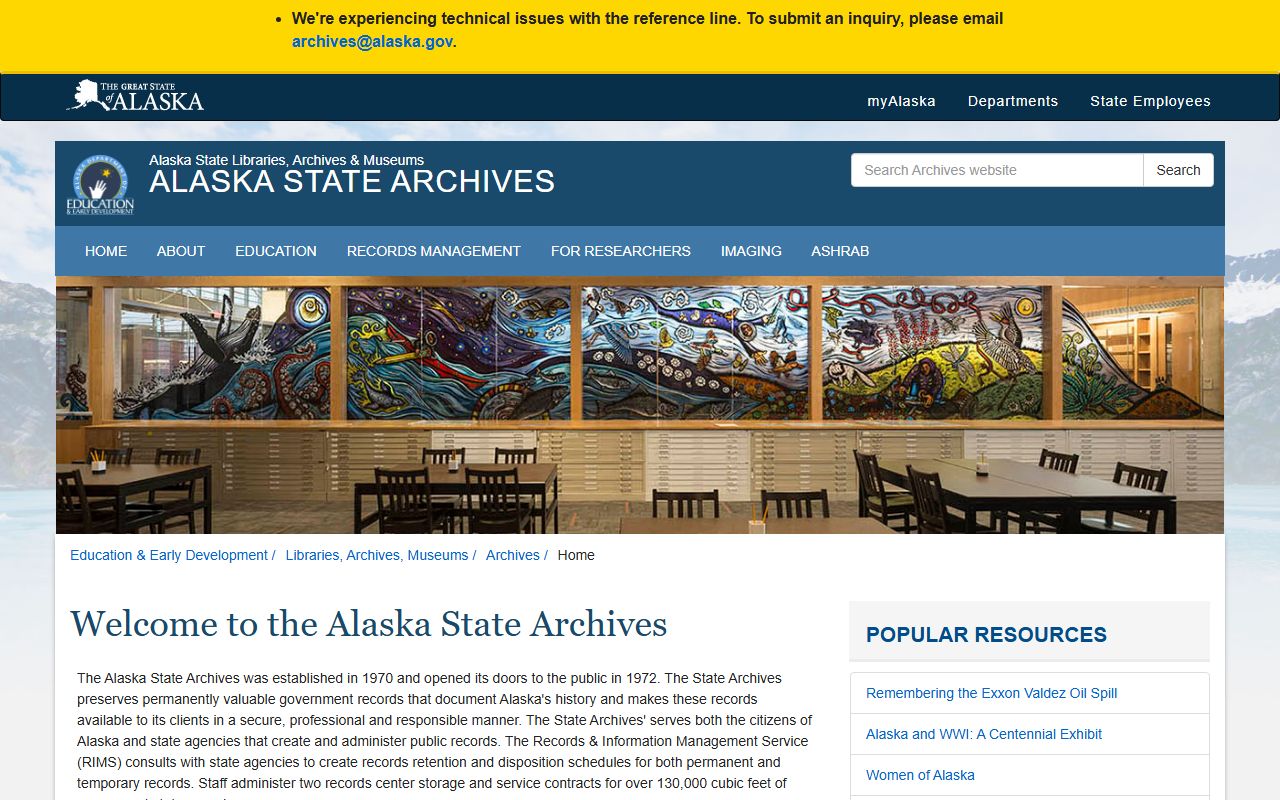
This is most relevant for older records that may predate modern CourtView coverage.
Public Access To Alaska Traffic Court Records
Alaska generally treats court records as open to public inspection unless a statute, court rule, or court order makes them confidential. The public access framework appears in Administrative Rule 37 and Alaska Public Records Act materials under AS 40.25. That does not mean every document will be visible online. It means the starting rule is openness, subject to exceptions for sealed files, confidential case types, and restricted content. Alaska Traffic Court Records are usually public when they involve ordinary minor offense and traffic matters, but a searcher still needs to use the right channel to get the right level of detail.
That difference between public and instantly downloadable causes many search problems. CourtView may show a public docket entry without showing every underlying document. A clerk may release a plain copy while withholding confidential material from the same file. An old case may be public in theory but harder to access because it sits in paper files or archived systems. For Alaska Traffic Court Records, public access is real, but it still depends on the age of the case, the court location, and the type of document requested.
Browse Alaska Traffic Court Records By County
Start with the counties and boroughs below if you already know where the case was filed or where the ticket was issued. Each page focuses on local court contacts, request steps, and the traffic court record process for that location.
Alaska Traffic Court Records In Major Cities
City pages help when a local police agency, municipal clerk, or city payment path affects how the traffic case is searched or paid before it reaches the court system.